Trump has been trying to wind-down the U.S. conflict with Iran, including standing up to ally Israel. But now, Iran has crossed Trump's ultimate red line.
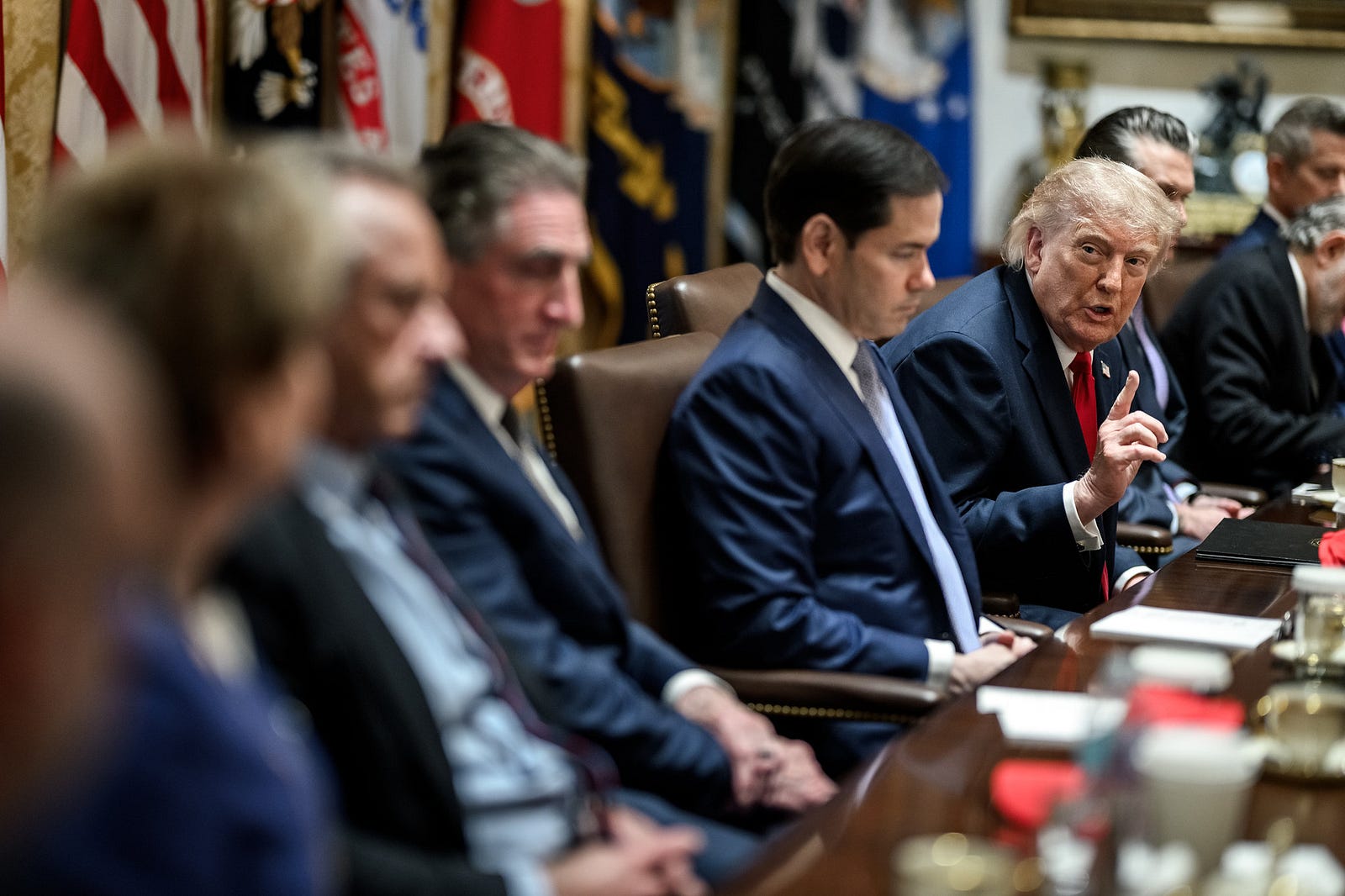
Donald Trump has spent the past several days doing something many of his critics insisted he would never do: restraining Israel.
Not abandoning Israel — but restraining Israel, openly and bluntly, because Trump wants the war with Iran wound down, the Strait of Hormuz reopened, and a final agreement that blocks Tehran from obtaining nuclear weapons.
That has been the shape of Trump’s strategy: Israel, do not blow up the talks. Iran, do not mistake American restraint for weakness.
Then a U.S. Apache helicopter went down near the Strait of Hormuz.
The details are still developing. U.S. Central Command initially said the cause was under investigation. Reuters later reported, citing a U.S. official, that the Apache was brought down by a one-way Iranian attack drone. Iran, naturally, denies conducting offensive air operations in the strait. But Trump has already publicly blamed Tehran and said the United States “must” respond.
CENTCOM has now described U.S. strikes as a proportional response to “unjustified Iranian aggression.”
If the U.S. account is right, Iran managed to do something remarkable. It took a president who was trying to keep the conflict contained and pushed him back toward military action.
Trump’s recent posture toward Netanyahu has been unusually forceful. He reportedly told the Israeli prime minister not to retaliate after Iranian missile fire. He warned that if Israel kept striking Iran, Netanyahu could end up “on your own very soon.” He has made clear that he wants the next phase to be negotiations, not another exchange of missiles, drones, and airstrikes.
For Netanyahu, that is a difficult position. Israel has absorbed Iranian attacks. Israel is still fighting Hezbollah. Netanyahu’s domestic critics are already accusing him of letting Washington dictate Israeli security policy. If he stands down, he looks weak at home. If he pushes too far, he risks alienating the one American president with enough Republican political capital to give Israel cover when the rest of the world is screaming.
But the helicopter incident changes the argument.
Trump can tell Netanyahu to stop escalating and still respond when Iran attacks Americans. Those positions are not contradictory. They are the red lines of the entire strategy. Trump does not want Netanyahu dragging the United States into a wider war. But he also cannot allow Iran to shoot down American aircraft while peace talks continue as if nothing happened.
That is the mistake Iran appears to have made. Tehran may have believed Trump’s pressure on Israel signaled a broader reluctance to fight. It may have assumed his eagerness for a deal meant he would swallow provocations in order to preserve negotiations. It may have thought the fear of higher oil prices, regional escalation, and midterm political damage would force Washington to absorb the hit.
That is a dangerous misread of Donald Trump.
Trump’s foreign policy has always had two sides. He wants deals. He wants exits. He does not like open-ended wars run by the permanent foreign-policy class. But he is also highly sensitive to hostile military action directed at American personnel. He can be skeptical of intervention and still furious when U.S. troops are targeted. He can want peace and still order strikes.
Iran should have understood this better than anyone.
The regime has survived for decades by probing seams: between America and Europe, between Israel and Washington, between Arab states and the West, between public diplomacy and proxy violence. That is Tehran’s specialty. It pressures, denies, delays, threatens, and then presents itself as the reasonable party once everyone else is exhausted.
But this time, Iran may have probed the wrong seam. Trump was already standing between Netanyahu and a wider Israeli campaign. He was already taking political risk by telling America’s closest Middle Eastern ally to cool it. He was already arguing that a deal was close enough to protect.
Then Iran crossed the one line Trump had no room to finesse: do not attack Americans.
The result is not necessarily full-scale war. Trump will probably still try to keep the U.S. response limited enough to preserve room for a deal. He wants Hormuz open. He wants Iran’s nuclear program boxed in. He wants to say he ended the war rather than inherited another Middle Eastern quagmire.
But Iran has made that much harder. It has strengthened Netanyahu’s case, weakened the peace track, and forced Trump to prove that restraint is not surrender.
For days, Trump was telling Israel to back down. Now he is telling Iran what happens when it forgets who it is dealing with.
(Contributing writer, Brooke Bell)